By: Wambui Muchaba
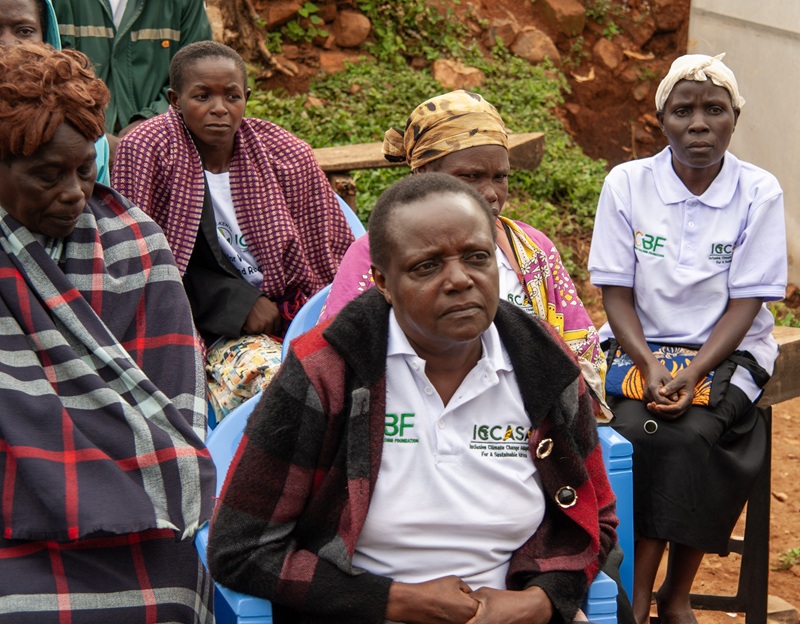
The world is increasingly aware of the urgency of climate change, yet certain voices remain marginalized, including those of Women with Disabilities (WWDs). These women face intersecting challenges of gender, disability, and the escalating impacts of environmental crises. The African Alliance for Women with Disabilities in Climate Action (AWAC) emerges as a groundbreaking initiative aimed at amplifying these voices and positioning WWDs as key agents in shaping the climate agenda across Africa. This alliance is part of the larger Strengthening the Voices of Women with Disabilities to Actively Participate in Climate Change Policy and Negotiations (STREVOW) project.
Women with disabilities in Africa often bear the brunt of climate change’s harshest impacts. From inaccessible evacuation routes during floods to systemic exclusion from climate-related decision-making processes, their experiences highlight critical gaps in addressing environmental challenges. However, WWDs are not just victims of these crises; they are also advocates, problem solvers, and leaders whose perspectives are invaluable. AWAC represents a bold and necessary step toward creating a truly inclusive climate movement, ensuring that women with disabilities are recognized as vital stakeholders in policy and practice.
The alliance serves as a dynamic platform for knowledge sharing, advocacy, and resilience-building, connecting voices from across the continent. AWAC aims to foster deeper understanding, amplify calls for disability-inclusive policies, secure financing for climate initiatives tailored to WWDs, and champion solutions that enhance resilience. By addressing these areas, AWAC is determined to reshape how Africa approaches climate action, leaving no one behind.
Central to AWAC’s work is the facilitation of knowledge management, where critical resources and research will be accessible to women with disabilities and their allies. This ensures data-driven advocacy and informed decision-making. The alliance also prioritizes driving policy change, urging governments and international bodies to adopt disability-inclusive frameworks that respond to the needs of WWDs. AWAC is further committed to bridging the financial gaps by connecting its members to funding opportunities that support localized, impactful initiatives.
To achieve this, AWAC focuses on empowering WWDs through capacity building and practical solutions such as accessible technologies, sustainable livelihoods, and inclusive energy systems. These initiatives promote both adaptation and long-term resilience, addressing the immediate and systemic barriers faced by WWDs in the face of a changing climate.
AWAC’s vision is a call to action for collaboration and partnership. Governments, NGOs, the private sector, and individuals are invited to join this transformative movement. Together, these stakeholders can dismantle barriers, foster equity, and ensure that WWDs are not only participants in but also leaders of Africa’s climate resilience efforts.
By uniting diverse voices and advancing inclusive climate leadership, AWAC offers hope for a sustainable and equitable future. This alliance is a testament to the power of collective action, setting the stage for progress that benefits all and ensuring that the voices of Africa’s women with disabilities resonate in every climate conversation.